Introduction
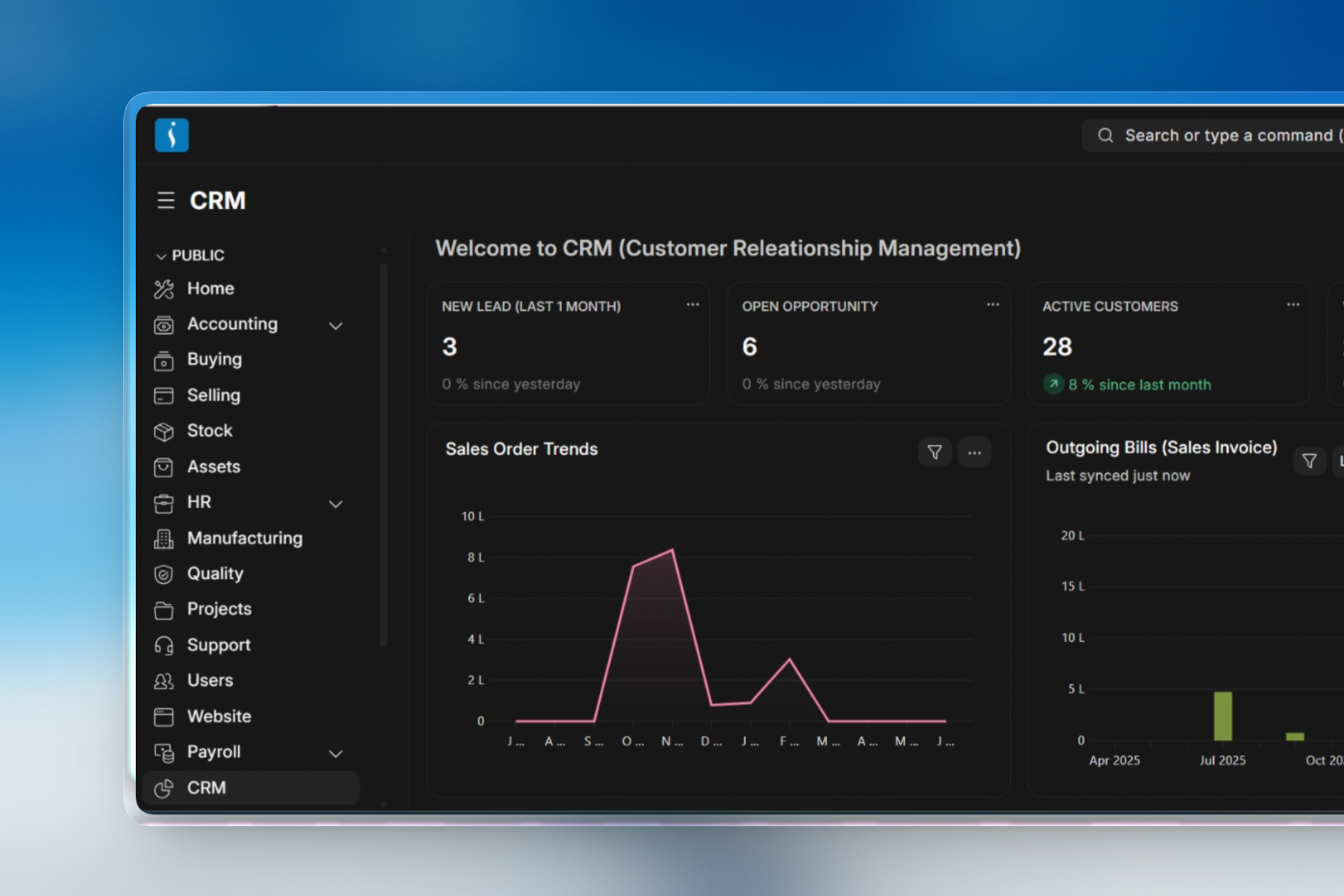
The UniERP CRM is designed to help businesses understand how a modern CRM system improves customer management, sales tracking, and overall business growth. UniERP CRM provides a centralized platform where companies can efficiently manage leads, opportunities, and customer interactions in one place. It allows businesses to capture leads from multiple channels such as websites, emails, and marketing campaigns, ensuring no potential customer is missed. Moreover, it helps sales teams organize their workflow by managing follow-ups, pipeline stages, and customer communication effectively. As a result, businesses can improve productivity and reduce manual work through automation. In addition, UniERP CRM enhances customer satisfaction by enabling faster response times and better service management. Therefore, organizations can build stronger relationships with their customers and increase conversion rates. Overall, this CRM system provides a complete solution for managing the entire customer lifecycle from lead generation to retention.
What is Customer Relationship Management?
A CRM system is a software tool that helps businesses manage and improve their interactions with customers. It focuses on collecting, organizing, and maintaining accurate customer information, a process known as customer data accuracy assessment. This ensures that all customer records remain updated and reliable for business use. The CRM system stores important details such as purchase history, contact information, and past interactions. As a result, businesses can quickly access customer data and respond more effectively to inquiries and issues. This leads to better customer service and stronger relationships.
Moreover, CRM systems help companies understand customer needs and preferences, which improves product and service quality. They also support marketing activities by tracking campaign performance and identifying potential leads.In addition, many CRM systems automate routine tasks, reducing manual workload and increasing team productivity. Businesses can also analyze customer behavior trends to make smarter strategic decisions.Overall, a CRM system enhances communication, improves efficiency, and plays a vital role in driving long-term business success.
Benefits of CRM
A CRM system (Customer Relationship Management) is a powerful tool that helps businesses manage customer data, improve sales processes, and strengthen customer relationships. It provides a centralized platform where all customer information, leads, and interactions are stored and easily accessible.
One of the key benefits of CRM is improved communication between businesses and customers. It ensures that every interaction is tracked, which helps teams respond quickly and effectively. CRM also helps in better lead management by capturing leads from multiple sources and guiding them through the sales pipeline.
In addition, CRM improves sales performance by helping teams track opportunities and close deals more efficiently. It increases productivity by automating routine tasks such as follow-ups, reminders, and reporting. Businesses can also use CRM reports and analytics to make data-driven decisions.
CRM enhances marketing effectiveness by tracking campaign performance and identifying the most successful channels. It also improves customer service by providing quick access to customer history and past interactions. As a result, businesses can deliver faster and more personalized support.
Furthermore, CRM helps improve customer retention by maintaining regular engagement and building long-term relationships. It also supports business growth by increasing efficiency, improving sales, and enhancing overall customer satisfaction.
Overall, a CRM system is essential for businesses that want to streamline operations, increase revenue, and build strong customer relationships. These benefits can be effectively achieved by using the UniERP CRM system, which provides a complete CRM solution for managing leads, sales, and customer interactions in a structured and efficient way.
Workflow of UniERP CRM
Lead
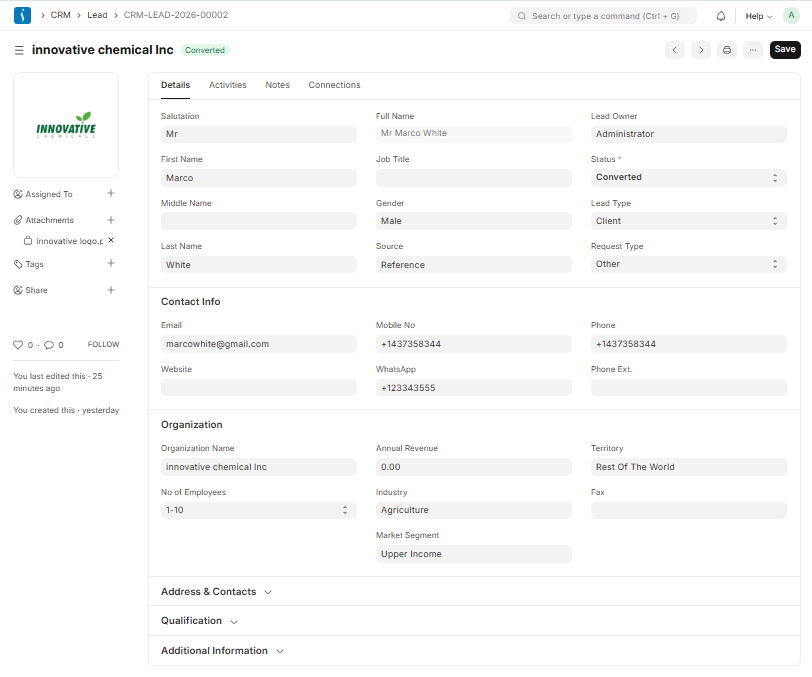
A lead is a potential customer who shows interest in a company’s products or services but has not yet made a purchase. In a CRM system, leads are the first step of the sales process. Businesses generate leads through websites, directories, advertisements, and trade events. When people respond to these activities, they become potential leads. These leads are important because they can later convert into paying customers. Sales teams contact leads to share information and build relationships. They also guide leads toward making a purchase decision. A CRM system helps track all conversations and activities with each lead. This ensures no important detail or follow-up is missed. Overall, effective lead management improves sales growth and business success.
Lead Source
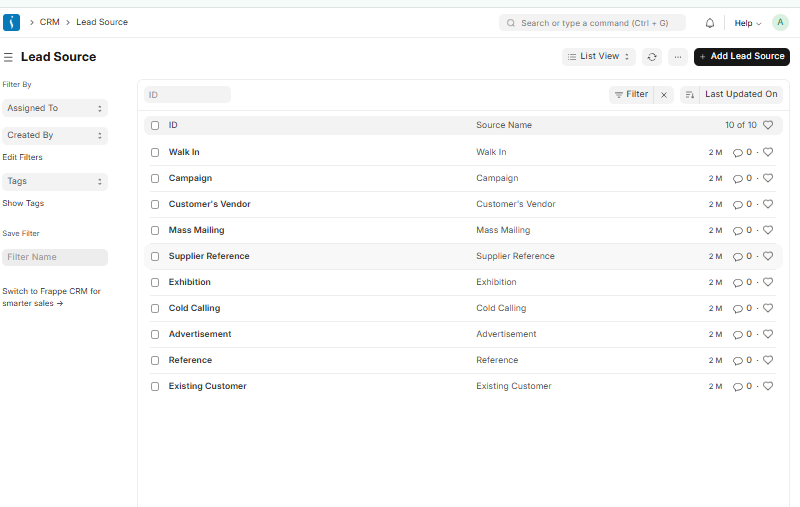
A Lead Source is the channel or medium through which potential customers (leads) are generated. It indicates where a lead originally came from, such as a website, advertisement, social media, email campaign, or trade event. Tracking lead sources is very important for any business using a CRM system.
Opportunity
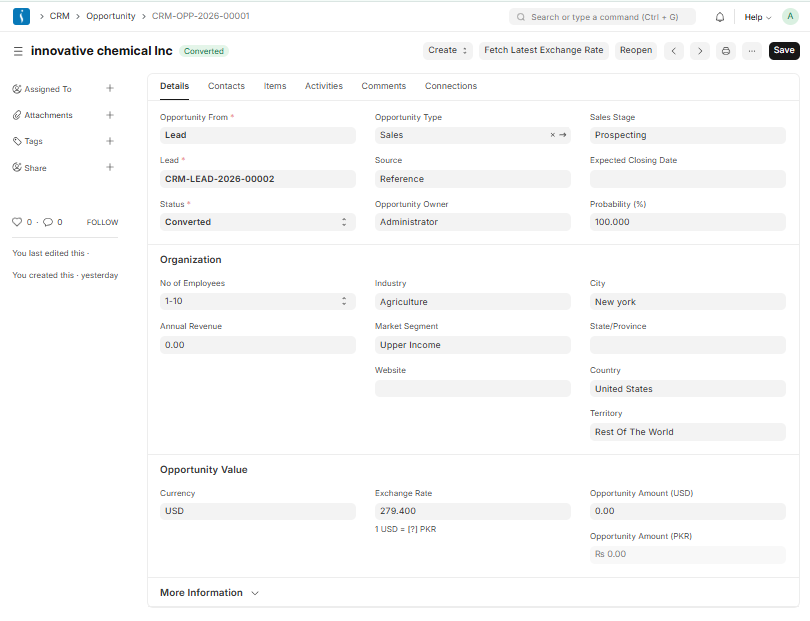
An Opportunity is a qualified lead that has a higher chance of becoming a customer. In a CRM system, when a lead shows clear interest in purchasing a product or service, it is converted into an opportunity. This indicates that the lead is now actively considering a buying decision.
Opportunities can also be created for existing customers when there is a chance to sell additional products or services. A single lead or customer can have multiple opportunities at different stages of the sales process.
Appointment
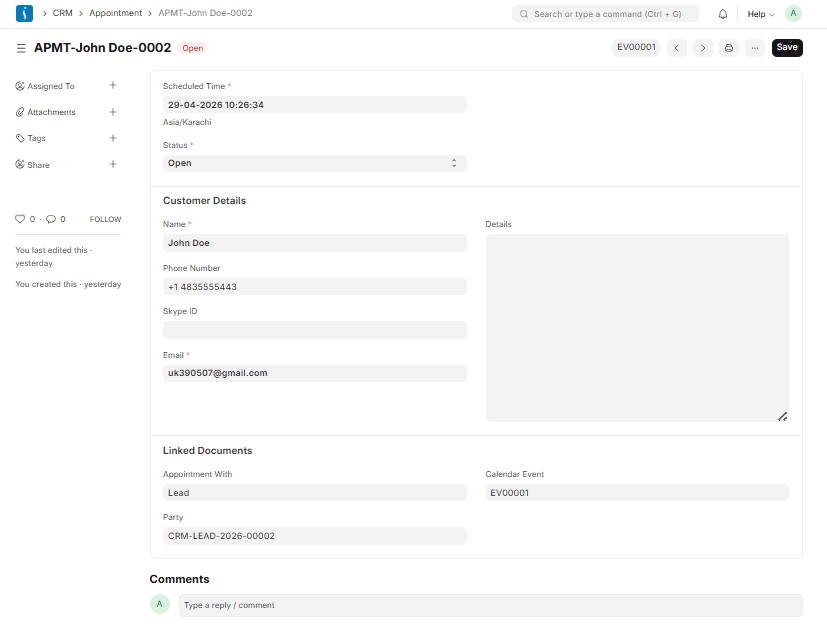
An appointment is a scheduled meeting between a lead and an employee of your company. It is planned in advance to discuss business needs or requirements. In a CRM system, the appointment document type is used to organize and manage these meetings. It helps in tracking interactions with a lead or an opportunity. This ensures proper follow-up and better communication during the sales process.
Sales Stage
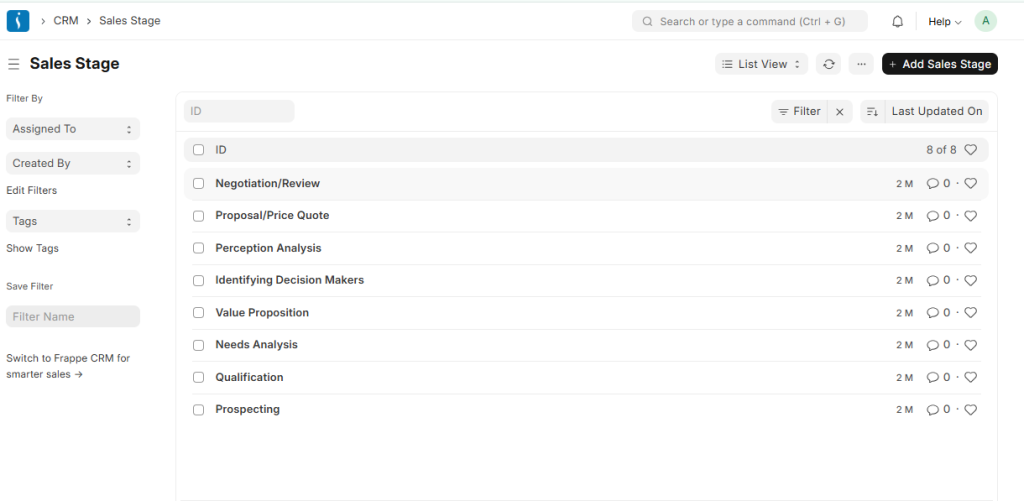
A Sales Stage represents the current position of an opportunity within the sales cycle in a CRM system. It shows how far a potential deal has progressed toward completion. High-value deals usually pass through multiple stages before they are successfully closed.
Such opportunities require proper follow-up and nurturing over time to convert them into sales. Each stage helps sales teams understand what actions are needed next to move the opportunity forward.
In a CRM system, sales stages can be defined according to business needs. For every opportunity, a specific stage is selected and updated as it progresses through the sales process. This provides a clear and organized view of all active deals.
Contract
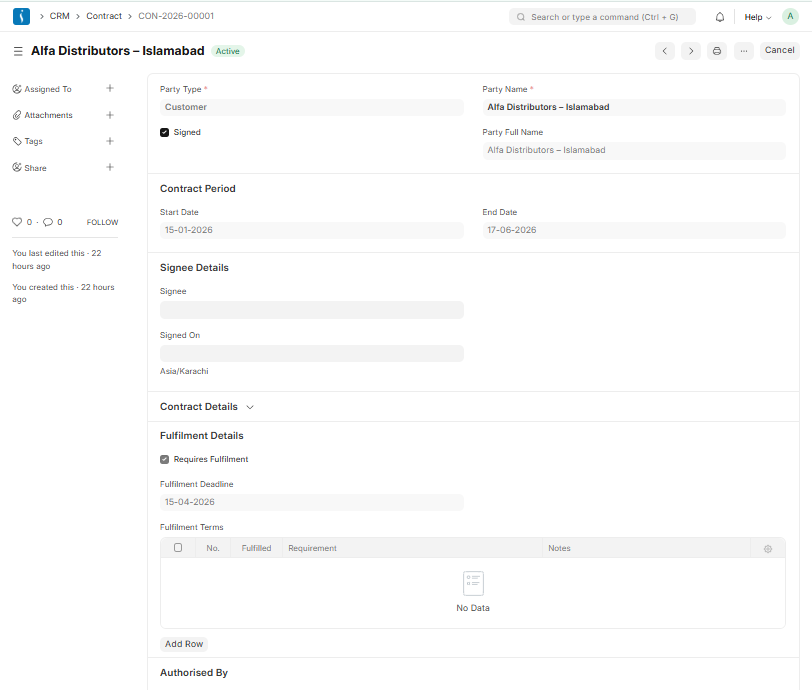
A Contract is a legally binding agreement between a supplier and a customer for the sale of products or services in a CRM system. It defines the terms and conditions under which both parties agree to work together. A contract becomes legally enforceable because it meets the requirements and approval of the law.
Typically, a contract involves an exchange of goods, services, money, or promises between the involved parties. It clearly outlines responsibilities, pricing, delivery terms, and other important conditions. In a CRM system, contracts help businesses manage long-term customer relationships in an organized way. They also ensure transparency and reduce the risk of misunderstandings between the supplier and the customer.
Campaign
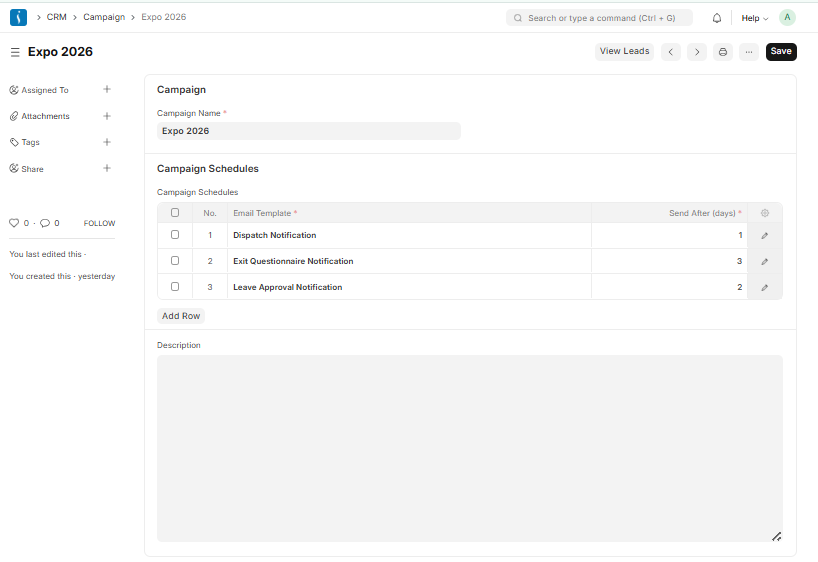
A Campaign is a complete and organized execution of a marketing strategy designed to promote a product or service. It involves planned activities that help businesses reach their target audience and achieve specific goals.
In UniERP CRM, a campaign refers to a structured marketing initiative focused on achieving objectives such as generating new leads, increasing sales, or improving brand awareness. It allows businesses to manage and track all marketing efforts in a systematic way.
CRM Reports
CRM reports provide important insights into lead management and overall sales performance. These reports help businesses monitor key metrics, analyze the effectiveness of marketing campaigns, and understand customer behavior more clearly.
By reviewing CRM reports, companies can identify which strategies are working and which need improvement. This allows them to make data-driven decisions and optimize their sales processes for better results.
In addition, CRM reporting helps businesses improve customer relationships by tracking interactions and engagement trends. As a result, organizations can increase efficiency, improve lead conversion rates, and support long-term business growth.
1. Lead Details
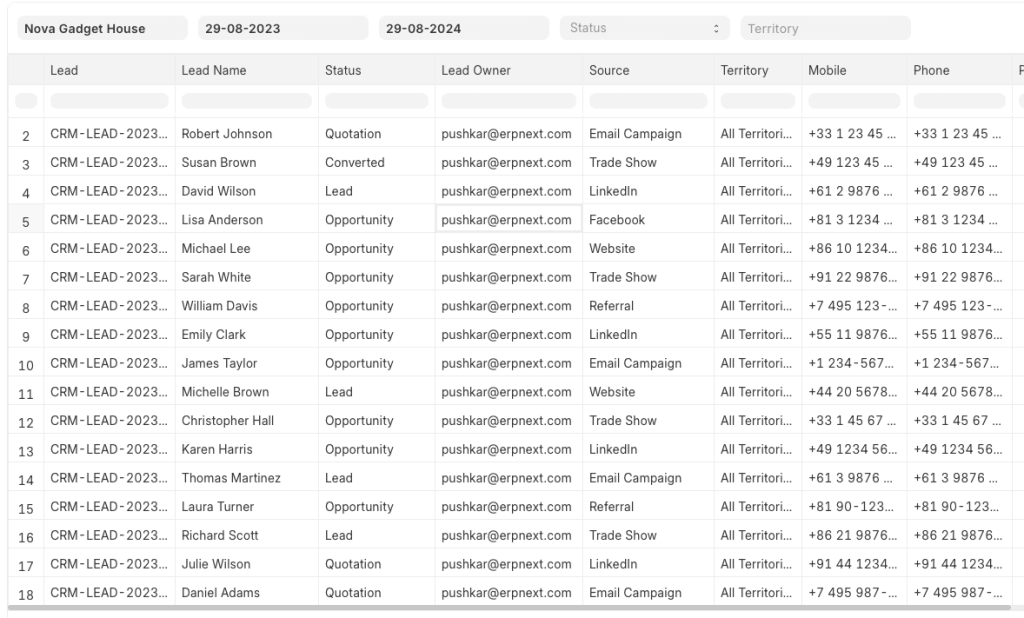
It provides a summarized view of the leads being managed, including important details and performance metrics such as lead status, source, conversion rate, and other key information.
2. Sales Funnel
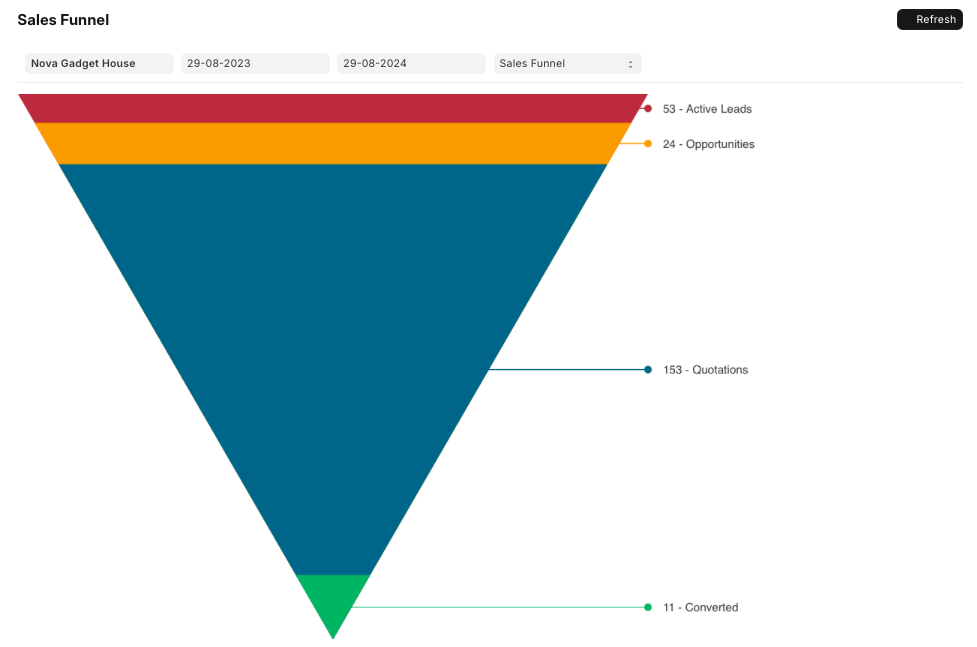
The Sales Funnel Report offers a visual and analytical overview of the sales pipeline. It helps businesses track the status and movement of leads and opportunities as they progress through different stages of the sales process.
3. Inactive Customer
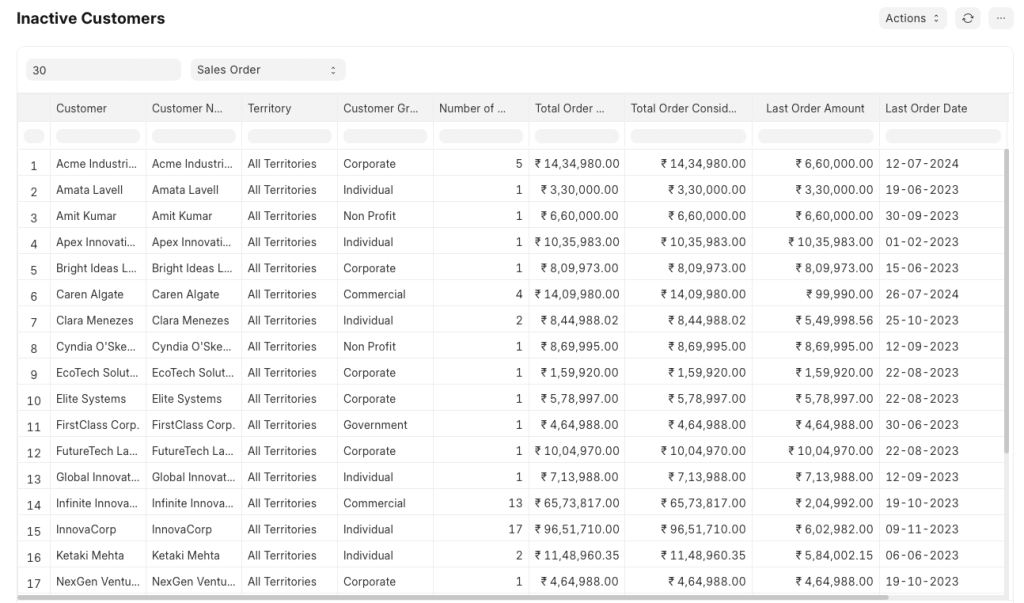
This report displays a list of customers who have not made any purchases for a specified number of days. You can set the duration using the “Days Since Last Order” filter. Additionally, you can choose whether to include Sales Orders or Sales Invoices by selecting the appropriate option in the DocType filter.
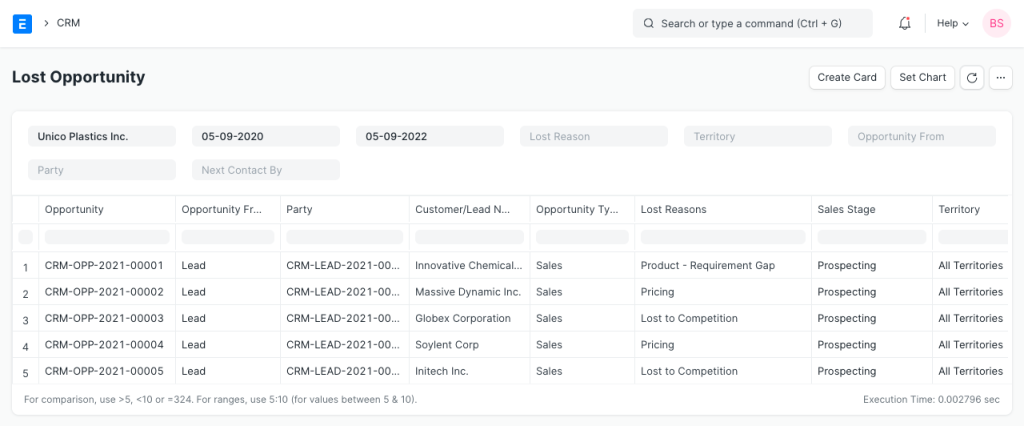
4. Lost Opportunity
This report provides detailed information about lost opportunities, including the opportunity source, party details, customer name, reason for loss, sales stage, territory, and other relevant data.
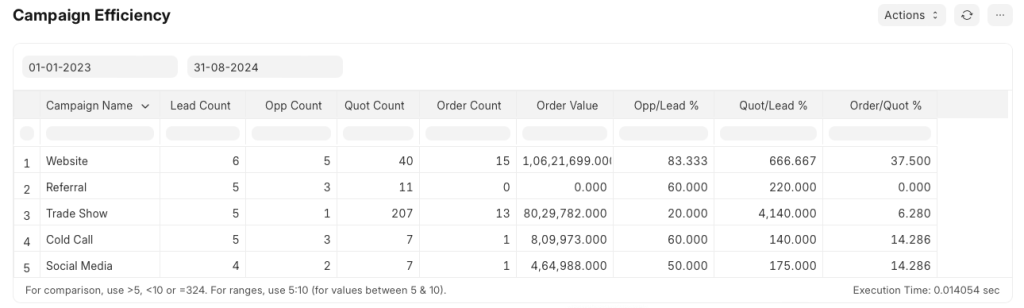
5. Campaign Efficiency
This report analyzes the performance of your marketing campaigns by reviewing key metrics. It helps you measure how effectively your campaigns are working, evaluate the return on investment (ROI), and identify areas that need improvement.
Conclusion
A CRM system plays a vital role in managing and improving customer relationships in any business. It provides a centralized platform to store customer data, track interactions, and manage the complete sales process from lead generation to customer retention. By using CRM, businesses can improve communication, increase sales efficiency, and ensure better coordination among teams.
It also helps organizations make data-driven decisions through reports and analytics, which leads to more effective marketing and sales strategies. In addition, CRM systems improve customer satisfaction by ensuring timely follow-ups and personalized service. Overall, a CRM system is essential for building strong customer relationships, increasing revenue, and achieving long-term business growth.