Hospital administrators and healthcare IT managers are discovering how ERP for hospitals can transform their operations and patient outcomes. Modern healthcare faces mounting pressure to deliver quality care while managing costs, compliance requirements, and complex administrative tasks. A well-designed hospital ERP system addresses these challenges by connecting departments, automating workflows, and providing real-time insights across your entire facility.
This guide explores the key healthcare ERP benefits that make the biggest impact on hospital performance. We’ll cover how these systems enhance patient care management by giving medical staff instant access to complete patient records and treatment histories. You’ll also learn how streamlined administrative operations reduce paperwork, eliminate duplicate data entry, and free up your staff to focus on what matters most. Finally, we’ll examine how hospital management systems improve financial performance through better resource allocation, accurate billing, and comprehensive reporting that supports data-driven decisions.
Enhanced Patient Care Management

Real-time access to comprehensive patient records
Hospital ERP systems transform how medical professionals access and manage patient information. Healthcare providers can instantly pull up complete medical histories, lab results, imaging studies, and treatment plans from any connected device within the facility. This immediate access eliminates the frustrating delays that come with paper-based systems or disconnected digital platforms.
When a patient arrives at the emergency department, doctors can quickly review their entire medical background, including chronic conditions, allergies, current medications, and previous hospitalizations. This comprehensive view helps medical teams make informed decisions without waiting for records to be transferred between departments or facilities.
The system automatically updates patient information across all departments, ensuring that nurses, specialists, and support staff always work with the most current data. Whether it’s a new lab result or a medication change, every authorized team member sees the update in real-time.
Reduced medical errors through integrated data systems
Integration across hospital departments dramatically cuts down on medical errors that often result from miscommunication or incomplete information. When all patient data flows through a single ERP for hospitals platform, dangerous gaps in information become virtually impossible.
Prescription errors drop significantly because the system automatically checks for drug interactions, allergies, and proper dosing based on patient weight and medical conditions. The ERP system flags potential problems before medications reach the patient, creating multiple safety checkpoints throughout the prescribing process.
Laboratory results integrate directly with patient records, reducing transcription errors and ensuring that critical values reach the right medical team immediately. Alert systems notify doctors when urgent results require immediate attention, preventing delays in life-saving treatments.
Faster diagnosis and treatment decisions
Healthcare ERP benefits include dramatically reduced decision-making time for medical teams. Doctors can quickly compare current symptoms with historical patterns, review previous treatment responses, and access specialist consultations from earlier visits.
Diagnostic imaging becomes more efficient when radiologists can instantly access prior scans for comparison. They can track disease progression, measure treatment effectiveness, and provide more accurate interpretations by having complete imaging histories at their fingertips.
The patient care management system streamlines consultation requests between specialists, allowing for faster collaborative care. When a cardiologist needs input from an endocrinologist, the referral includes complete patient context, eliminating back-and-forth communication delays.
Improved medication management and safety protocols
Hospital management systems create robust safety nets around medication administration. Automated dispensing systems connect with patient records to ensure the right patient receives the correct medication at the proper time and dosage.
Barcode scanning technology integrated with the ERP system creates multiple verification points during medication preparation and administration. Nurses scan patient wristbands, medication packages, and their own identification badges, creating an audit trail that prevents mix-ups.
The system tracks medication inventory in real-time, automatically reordering supplies before stockouts occur and alerting pharmacists to expired medications. This proactive approach prevents treatment delays and ensures patients always have access to prescribed therapies.
Drug interaction monitoring extends beyond individual prescriptions to include over-the-counter medications, supplements, and alternative treatments that patients might be taking. The comprehensive approach to medication safety helps prevent adverse reactions and improves overall patient outcomes.
Streamlined Administrative Operations

Automated Appointment Scheduling and Patient Registration
Hospital ERP systems transform the way healthcare facilities handle patient appointments and registrations. Traditional phone-based scheduling often leads to double bookings, missed appointments, and frustrated patients. Modern ERP for hospitals creates a seamless digital experience where patients can book appointments online, receive automated reminders, and even reschedule when needed.
The patient registration process becomes incredibly smooth with integrated systems. Instead of filling out paperwork multiple times, patients complete their information once, and it flows automatically across all departments. This hospital management system approach eliminates redundant data entry and reduces waiting times significantly. Staff can access complete patient histories instantly, making check-ins faster and more accurate.
Real-time availability tracking prevents scheduling conflicts and optimizes resource allocation. When a doctor’s schedule changes, the system automatically adjusts appointments and notifies affected patients. This level of coordination was nearly impossible with manual processes.
Simplified Billing and Insurance Claim Processing
Healthcare ERP benefits shine brightest in financial operations. Complex billing procedures that once took days now happen in minutes. The system automatically generates accurate bills by pulling information from treatment records, medication dispensed, and services provided. No more manual calculations or billing errors that delay payments.
Insurance claim processing becomes remarkably efficient with automated verification and submission. The hospital administrative software checks patient coverage in real-time, identifies pre-authorization requirements, and submits claims electronically. This dramatically reduces claim rejections and speeds up reimbursements.
Payment tracking becomes transparent for both patients and staff. Families can view their bills online, set up payment plans, and receive automated payment reminders. The finance team gets complete visibility into outstanding amounts, collection rates, and revenue trends.
Efficient Inventory and Supply Chain Management
Medical inventory management requires precision that manual systems simply cannot deliver. ERP implementation healthcare solutions track every item from bandages to expensive medical equipment. The system monitors usage patterns, automatically reorders supplies when levels drop, and prevents stockouts that could compromise patient care.
Cost control improves dramatically through better vendor management and bulk purchasing opportunities. The system identifies spending patterns, highlights cost-saving opportunities, and ensures compliance with procurement policies. Expiration date tracking prevents waste and ensures patient safety by flagging items nearing their expiration dates.
Supply chain visibility extends beyond the hospital walls. Integration with suppliers creates real-time tracking of orders, delivery schedules, and quality certifications. This level of coordination ensures critical supplies arrive exactly when needed without excess inventory tying up valuable storage space.
Financial Performance Optimization

Reduced Operational Costs Through Process Automation
Hospital ERP systems dramatically cut operational expenses by automating time-consuming manual processes. Traditional paperwork and redundant data entry tasks that once required hours of staff time become streamlined through integrated workflows. For example, automated inventory management prevents overstocking and reduces waste, while digital patient registration eliminates duplicate forms and speeds up admissions.
Staffing costs drop when administrative teams can handle more patients with the same resources. Automated scheduling optimizes nurse-to-patient ratios, reducing overtime expenses and temporary staffing needs. The system also minimizes errors that lead to costly rework, insurance claim rejections, and compliance penalties.
Improved Revenue Cycle Management
Healthcare ERP benefits shine brightest in revenue cycle optimization. The system tracks patient encounters from admission through final payment, identifying bottlenecks that delay collections. Real-time eligibility verification reduces claim denials, while automated coding suggestions improve billing accuracy.
Patient billing becomes more transparent and efficient. Integrated payment processing allows patients to settle accounts online, reducing collection times from months to weeks. The system flags accounts requiring follow-up attention and automates payment reminders, increasing collection rates without additional staff overhead.
Insurance pre-authorization workflows become seamless, ensuring procedures receive approval before treatment begins. This prevents revenue loss from denied claims and improves patient satisfaction by eliminating surprise billing issues.
Better Budget Planning and Financial Forecasting
Hospital ERP systems provide comprehensive financial visibility that transforms budget planning from guesswork into data-driven strategy. Historical spending patterns, seasonal variations, and departmental performance metrics create accurate forecasting models. Hospital financial management becomes proactive rather than reactive.
Department heads access real-time budget status reports, enabling course corrections before overspending occurs. Capital equipment planning improves through detailed ROI analysis and maintenance cost tracking. The system identifies which services generate the highest margins, guiding strategic decisions about service line expansion or reduction.
Cash flow forecasting becomes precise with automated accounts receivable aging reports and payment trend analysis. This helps hospitals maintain optimal working capital and negotiate better terms with vendors and creditors.
Enhanced Cost Control and Expense Tracking
Real-time expense monitoring transforms how hospitals control costs. The hospital management system tracks spending across all departments, comparing actual expenses against budgeted amounts with instant alerts for variances. Supply chain costs become transparent, revealing opportunities for vendor consolidation and bulk purchasing savings.
Per-patient cost analysis identifies the true profitability of different service lines. This granular visibility helps administrators understand which procedures drain resources and which generate sustainable revenue. Energy consumption, facility maintenance, and equipment utilization metrics guide operational efficiency improvements.
Vendor performance tracking ensures hospitals receive contracted pricing and service levels. The system maintains detailed audit trails for all financial transactions, supporting compliance requirements and simplifying external audits.
Regulatory Compliance and Data Security

Automated Compliance Reporting and Audit Trails
Healthcare organizations face a maze of regulatory requirements from agencies like HIPAA, CMS, FDA, and Joint Commission. A hospital ERP system transforms this complex compliance landscape by automatically generating the reports and documentation that auditors demand. Instead of scrambling to collect data from multiple disconnected systems when inspection time arrives, hospitals can produce comprehensive audit trails with just a few clicks.
The system tracks every patient interaction, medication administration, and data access in real-time, creating an unbreakable chain of documentation. When a nurse accesses patient records or when lab results get updated, the ERP for hospitals logs who did what, when they did it, and from which location. This granular tracking means hospitals can quickly respond to regulatory inquiries with precise, timestamped evidence of their compliance efforts.
Quality reporting becomes effortless too. Programs like Medicare’s Hospital Value-Based Purchasing require detailed performance metrics, and manual data collection for these reports often takes weeks. Healthcare ERP benefits include automated calculation of readmission rates, infection statistics, and patient satisfaction scores, turning a month-long ordeal into an automated process that runs in the background.
Enhanced Data Protection and Patient Privacy
Hospital management systems built on modern ERP platforms create fortress-like protection around sensitive patient information. Role-based access controls ensure that only authorized personnel can view specific types of data – a surgical nurse can’t accidentally access psychiatric records, and billing staff can’t browse through clinical notes they don’t need for their work.
The system monitors every attempt to access patient data, flagging unusual patterns that might indicate a security breach. If someone tries to view records of a celebrity patient or access an unusually high number of files, the system immediately alerts security teams. This proactive monitoring catches potential HIPAA violations before they become costly penalties.
Data encryption happens automatically, both for information stored in databases and data transmitted between departments. ERP compliance healthcare features include secure backup systems that protect against ransomware attacks – a growing threat that has crippled hospitals across the country. The system creates multiple encrypted copies of critical data, ensuring patient care continues even if cyber criminals strike.
Simplified Regulatory Documentation Processes
Gone are the days of maintaining separate documentation systems for different regulatory requirements. Healthcare data management through ERP consolidates all compliance documentation into a single, searchable repository. Joint Commission surveyors looking for evidence of staff training can find certification records instantly, while CMS auditors can access billing documentation without staff having to dig through file cabinets.
The system standardizes documentation formats across all departments, eliminating the confusion that comes from different units using different templates and procedures. When new regulations emerge, administrators can update documentation requirements once in the ERP system, and the changes automatically apply everywhere. This consistency reduces training time and minimizes errors that could trigger compliance violations.
Version control becomes automatic too. The system maintains a complete history of every policy change, procedure update, and form revision. When regulators ask about historical practices or want to see how protocols evolved over time, hospitals can provide complete documentation trails that demonstrate their commitment to continuous improvement and regulatory adherence.
Data-Driven Decision Making

Comprehensive analytics and reporting capabilities
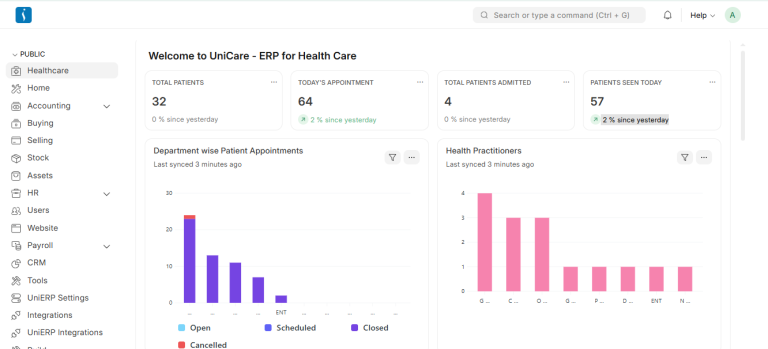
Modern hospital ERP systems transform raw data into actionable intelligence through sophisticated analytics engines. These platforms consolidate information from every department – emergency rooms, surgical units, pharmacy, billing, and beyond – creating a unified view of hospital operations. Real-time dashboards display critical metrics like bed occupancy rates, average length of stay, patient satisfaction scores, and revenue per department.
The reporting capabilities extend far beyond basic statistics. Healthcare ERP benefits include automated report generation that saves countless administrative hours while ensuring accuracy. Customizable reports can track everything from medication usage patterns to staff productivity metrics, giving hospital administrators the insights they need to spot trends and identify areas for improvement.
Advanced visualization tools make complex data digestible for stakeholders at every level. Interactive charts and graphs help department heads understand their performance at a glance, while executive-level reports provide strategic overviews of organizational health.
Performance metrics and quality improvement insights
Hospital ERP systems excel at monitoring key performance indicators that directly impact patient outcomes and operational efficiency. These platforms track clinical quality measures such as infection rates, readmission percentages, medication error incidents, and patient safety scores in real-time.
Quality improvement teams can drill down into specific metrics to identify patterns and root causes. For example, if surgical site infection rates spike in a particular unit, the system can help pinpoint whether the issue stems from staffing changes, equipment problems, or procedural variations.
Hospital management systems also monitor financial performance indicators alongside clinical metrics, creating a holistic view of success. Revenue cycle metrics, cost per patient, and resource utilization rates help administrators balance quality care delivery with financial sustainability.
Predictive analytics for resource planning
ERP implementation in healthcare unlocks powerful predictive capabilities that help hospitals stay ahead of demand fluctuations. These systems analyze historical patterns, seasonal trends, and external factors to forecast patient volumes, staffing needs, and resource requirements weeks or months in advance.
Emergency departments can prepare for patient surges during flu season, while surgical units can optimize scheduling based on predicted case volumes. Healthcare data management becomes proactive rather than reactive, enabling hospitals to allocate resources more efficiently and reduce costly last-minute adjustments.
Predictive models also support strategic planning initiatives. Hospitals can model the impact of new service lines, evaluate potential expansion scenarios, and assess the financial implications of different growth strategies using data-driven projections rather than guesswork.
Conclusion

Hospitals today face mounting pressure to deliver exceptional patient care while managing complex operations and rising costs. ERP systems offer a comprehensive solution that transforms every aspect of healthcare delivery – from patient management and administrative workflows to financial oversight and regulatory compliance. These integrated platforms create a connected ecosystem where departments communicate seamlessly, data flows freely, and decision-makers have real-time insights at their fingertips.
The investment in hospital ERP technology pays dividends across the board. Patient satisfaction improves when care teams have complete access to medical histories and treatment plans. Administrative staff spend less time on paperwork and more time supporting patient care. Financial departments gain better control over budgets and revenue cycles. Most importantly, hospital leaders can make informed decisions backed by comprehensive data analytics. For healthcare organizations ready to modernize their operations and elevate patient care standards, implementing an ERP system isn’t just an upgrade – it’s a strategic necessity for thriving in today’s healthcare landscape.